
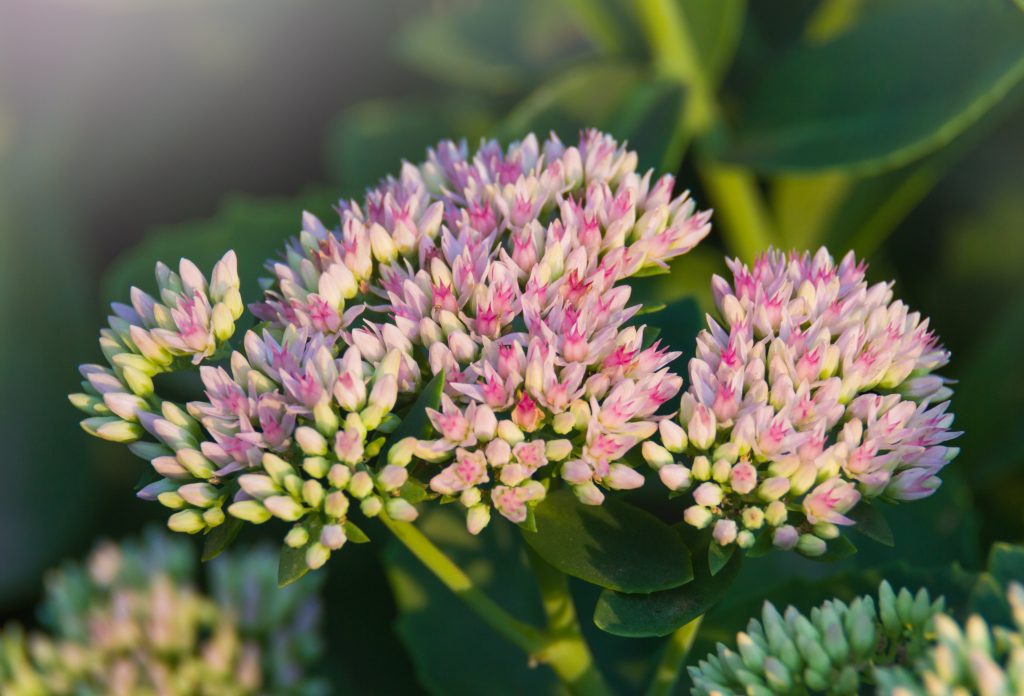
A renowned variety of Stonecrop, Hylotelephium telephium ‘Autumn joy’ can append marvelous colors in every garden. A crossing of Sedum telephium and Hylotelephium Spectabile resulted in star-shaped pink and succulent leaves of this hybrid.
Hylotelephium Telephium, a type of Herbaceous perennials, has specific names, including orpine, Washfield purple, witch’s moneybags, frog’s stomach, etc. Being a decorative plant, Autumn Joy Sedum also has several incredible components for wound healing.
In this article, we have provided a detailed direction on how to grow Hylotelephium telephium purple emperor Sedum along with a complete guide for care & maintenance. So, my fellow gardeners! Be ready to produce some vivid purple emperor seedlings in the landscape.
What is Hylotelephium telephium?
Being a member of Crassulaceae, Hylotelephium telephium grows predominantly in native Eurasia. Later they spread throughout the hills, hedges & cancerous soil of the USA & UK. Its genus name ‘Telephium’ probably honors the great king Mysia and Hercules’s Son ‘Telephus.’ Due to its medium growth rate, the stonecrop can averagely reach 2 to 3 ft height and can spread around 2 ft.
Medium or Well-drained soils suit the succulent, which influence it to grow fleshy stems, blue, green leaves with pink or reddish flowers. Medium salt-tolerant and high drought-tolerant, Autumn Joy Sedum can decorate the landscape with vivid star-shaped flowers from late summer till frost.
Characteristics Of Hylotelephium Telephium Purple Emperor:
- Hylotelephium telephium autumn joy sedum features erect or semi-upright & fleshy stems which are around 18″ to 24″ tall.
- It features green or blue-green fleshy, alternated flat, elliptic leaves which are around 3-inches long.
- Purple Emperor blooms tiny (½-inches), star-shaped, pink or reddish flowers from August to November in 4-inches corymbose cymes.
- The reddish-pink flower will fade over time and turn into burgundy red.
- Sedum requires Low maintenance and allures bees, hummingbirds & colorful butterflies. However, it shows a high resistance towards rabbits and deers.
| Scientific Name | Hylotelephium Telephium |
| Common names | Stonecrop.
Orpine. Live-forever. Alpine. Frog’s stomach. Everlasting. Witch’s moneybags. |
| Plant type | Succulent
Herbaceous perennials. |
| Leaves shape | Elliptical
Oval. |
| Leaves color | Blue
Green. |
| Sun Exposure | Direct or full sun.
|
| Flower Color | Pink |
| Height | 2 ft – 2 ft 6 inches. |
| Optimum Temperature | 65°F to 72°F |
| Soil type | Chalk.
Loam. Sand. Organic soil.
|
| Soil pH | 6-8 (neutral)
>8 (alkaline) |
| Habit | Erect. |
| Hardiness zones | USDA – 6a, 6b, 7a, 7b. |
| Native | Eurasia. |
Advantages:
Hylotelephium Telephium has astringent and cytostatic components, which make it highly useful for medicinal use.
- An excellent solution for diarrhea.
- Excellent remedy for cancer.
- People have been using purple emperors for treating wounds, carbuncles, and boiling from ancient times.
Disadvantages:
Hylotelephium Telephium autumn joy sedum doesn’t show any significant disadvantage or toxicity. In fact, they are edible and give off a citrusy flavor with a satisfying crunch.
A Guide to Grow Hylotelephium Telephium Purple Emperor Sedum!
Here, We mentioned proper elements that should have maintain for growing a Hylotelephium Telephium Purple Emperor Sedum plant.
Required Temperature:
Extreme temperature or heat won’t do any damage to Hylotelephium telephium. In fact, we notice attractive leaves and foliage during the excess temperature of summer and in the fall until the frost commences. Later on, the orpine dies or goes into slumber for the rest of the winter. However, a gardener needs to protect the succulents from temperatures above 90 °F as it may lead to scorched leaves.
pH Condition:
A gardener must ensure a slightly acidic, neutral (6-8) or slightly alkaline (>8) soil mix to grow purple emperor Hylotelephium Telephium.
Humidity:
The succulent, purple emperor sedum doesn’t face significant issues with humidity. However, excessively moisturized soil in a high humid environment may damage the plants.
What type of soil is best for Hylotelephium telephium?
Sandy, gravelly, loamy, or shallow rocky soils contribute significantly to the growth of purple emperor Hylotelephium telephium. Also, a gardener must maintain medium to well-drained soil as the plant can’t bear wet roots. Keeping the ground damp may even lead to rot.
Thus, we would prefer to plant them into the rock garden’s soil pockets or in the containers with proper drainage holes. Choose a pot that is 5% to 10% more significant than the size of the seedling.
|
Soil Fix For Succulent |
|
| Soil Type | Measurement |
| Sand | 4-tablespoon. |
| Gravel | 2-teaspoon. |
| Vermiculite | 2-teaspoon. |
| Neem Khali | 1-tablespoon. |
| Bone Meal | ½ -tablespoon. |
| Vermicompost | 1-tablespoon. |
How To Grow Hylotelephium Telephium Purple Emperor Sedum From Seeds?
We would suggest growing autumn joy stonecrop from seeds four to six weeks prior to last spring frost.
- First, moisten the seeds and place them in a seed tray. Now, take a ½-inches pot with draining holes. Place the soil mix in the pot and press the soil lightly with fingertips for a firm feeling.
- Now, place the seeds on the soil while keeping a 1-inch distance. Using a seed starting layer over the seeds would be a great idea. Tamping down the soil will improve the soil’s contact with the seeds.
- After planting the seeds, spraying water will keep the soil moist. Now, wrap the pot with clear plastic to maintain constant humidity.
- The gardener needs to provide a warm environment or use a heat mat (at least 65°F – 72° F) for proper germination.
- Unwrapping and moistening the pot enhances the germination process, and we can expect germination within two to four weeks.
- After seed germination, place the pot regularly under direct sun or fluorescent lights for 16 hours. Light will enhance seedling growth and development.
Propagation Of Hylotelephium Telephium:
Every gardener would love purple emperor sedum plant propagation as the garden will be filled with reddish & pink beauties.
Division Propagation:
Purple emperor Hylotelephium telephium shows better response during division Propagation.
- First, separate the roots of the succulents, but each section must contain at least one stem for proper growth.
- After the division, transplant the sections and maintain them usually.
Stem cutting:
- During stem cutting propagation, the gardener needs to find a healthy stem.
- After determining the proper candidate, he needs to cut 3 to 6 inches from the stem.
- Now, remove the leaves from the lower segment.
- At last, place the cuttings in a pot containing the best soil mix for succulents.
- Well-drainage, warm location, and direct sun exposure will enhance its growth over time.
Leaf Cutting Propagation:
- First, cut off healthy leaves containing short stems.
- Now, put the leaf ends in rooting hormone and plant them into the proper soil mix.
- Utilize a heating pad to maintain at least 75° F and maintain proper humidity.
Maintenance and Care For Hylotelephium telephium
In order to grow Hylotelephium Telephium purple emperor Sedum, a gardener must examine several key factors, including optimum temperatures, soil type, pH conditions, sun exposure, fertilizers, and many more. Check maintenance tips and caring instructions in detail right away!
Sunlight Exposure
‘Autumn joy sedum’ loves direct and full sunlight, which helps them to glow gracefully. Direct sun exposure for 6 hours will be enough for it. During hot summer days, the orpine plant might prefer a little shade during the afternoon. However, it shows weak growth due to direct sunlight deprivation and shady weather.
How To Water Hylotelephium telephium Purple Emperor Sedum?
In order to grow Hylotelephium telephium autumn joy purple flowering sedum, regular watering doesn’t seem to be essential. In fact, frequent watering may lead to root rot. Due to drought tolerance and water-storing leaves, purple emperor Hylotelephium telephium doesn’t face significant issues with prolonged dry periods. Watering once within two weeks will be enough for its optimum growth even during mid-summer.
Pruning Requirements
Summer and spring seem to be the best time for pruning Autumn joy sedum. Regular pruning enhances plant growth and increases its length. Pruning will also increase its branching, which will result in late bloom. Thus, reddish star flowers will linger in your garden till fall.
In order to enjoy the best results, we would suggest pruning half during late spring or early summer (June). Pruning causes ‘Autumn Joy’ sedum to flower later, which creates a lingering flower show in fall.
How To Fertilize The Purple Emperor Sedum?
Fertilizing the stonecrop will enhance its size, color, growth and improve its overall appearance. In the case of outdoor succulents, we would suggest fertilizing once in spring and once in fall before their active stage commences. However, regular fertilizing (once a month) by manure tea would be an incredible choice to enhance its growth. A gardener must ensure direct sun exposure and proper water supply after fertilization.
Let’s check the best fertilizers to use for enhancing the growth of Succulents!
- “Miracle-Gro Quick Start fertilizer” for seed propagation & transplantation.
- “Miracle-Gro Succulent plant food” for overall usage.
- Manure tea fertilizer.
Pest Control
Hylotelephium telephium purple emperor sedum doesn’t suffer from frequent pests and disease. However, their fleshy leaves may suffer from slugs and mealybugs during summer.
As mealybugs love dry and warm weather, we would recommend dealing with them during winter. Keep the orpine plant clean as dry leaves & debris are their central hangout point. Never spray insecticides or oil during summer as it may cause burn & leaf drop.
Utilize the following pesticides for proper protection from Mealybugs & Aphids:
- All seasons horticultural & dormant spray oil.
- Neem oil.
- “70% isopropyl alcohol” to cure mealybugs infestation.
When Autumn Joy Sedum Blooms?
Purple Emperor Autumn Joy Sedum blooms pink/reddish flowers in succulent stems from early fall to late summer. It offers interesting foliage in the season and fades to bronze-red by fall. The upper leaves show sessility. Its dead inflorescences, mature foliage, and dry flower heads often persist even in winters.
Frequently Asked Questions (FAQs)
When To Plant Autumn Joy Sedum?
After the frost of winter, gardeners should be ready to plant Hylotelephium telephium before summer heat commences. In order to enjoy the best results, plant the succulents in well-drained water during early spring.
What are the best Companion Plants for Autumn Joy Sedum?
The moderate drought-tolerant, purple emperor hylotelephium telephium can increase the color of the garden by being in contrast with chrysanthemums & Asters, Spiky blue Fescue, Dianthus. The Tall perennial, purple coneflower will also look great behind Autumn Joy’s reddish bloom.
Why doesn’t my purple emperor Hylotelephium telephium bloom?
You need to ensure proper and direct sunlight to expect an appropriate bloom on time. A sedum shows few or no flowers while being in a shady condition.
How to make sedum bloom?
- Plant the sedum under direct sunlight.
- Maintain proper drainage and prevent waterlogging.
- Perform proper pruning during early spring to influence new growth.
- Pruning ground-hugging varieties after bloom may influence another bloom.
- Divide sedum only when the plants seem crowded. A non-blooming plant may just need time to mature to bloom.
What are the white sticky components on the succulents?
White sticky substance close to the stem, leaf base, or directly in the middle of the plant indicates Mealybug infestation.
Final Thought
Everlasting, drought-tolerant Hylotelephium telephium autumn joy purple flowering sedum occupies the landscape by its dense star-shaped reddish flowers. Every gardener appreciates this great succulent as it will influence the garden’s beauty from summer till mid-winter. In this article, we have provided exclusive tips to maintain & grow hylotelephium telephium purple emperor. So, gardeners! Take your first step to grow autumn joy sedum from Seeds and care for these little ones in your garden.